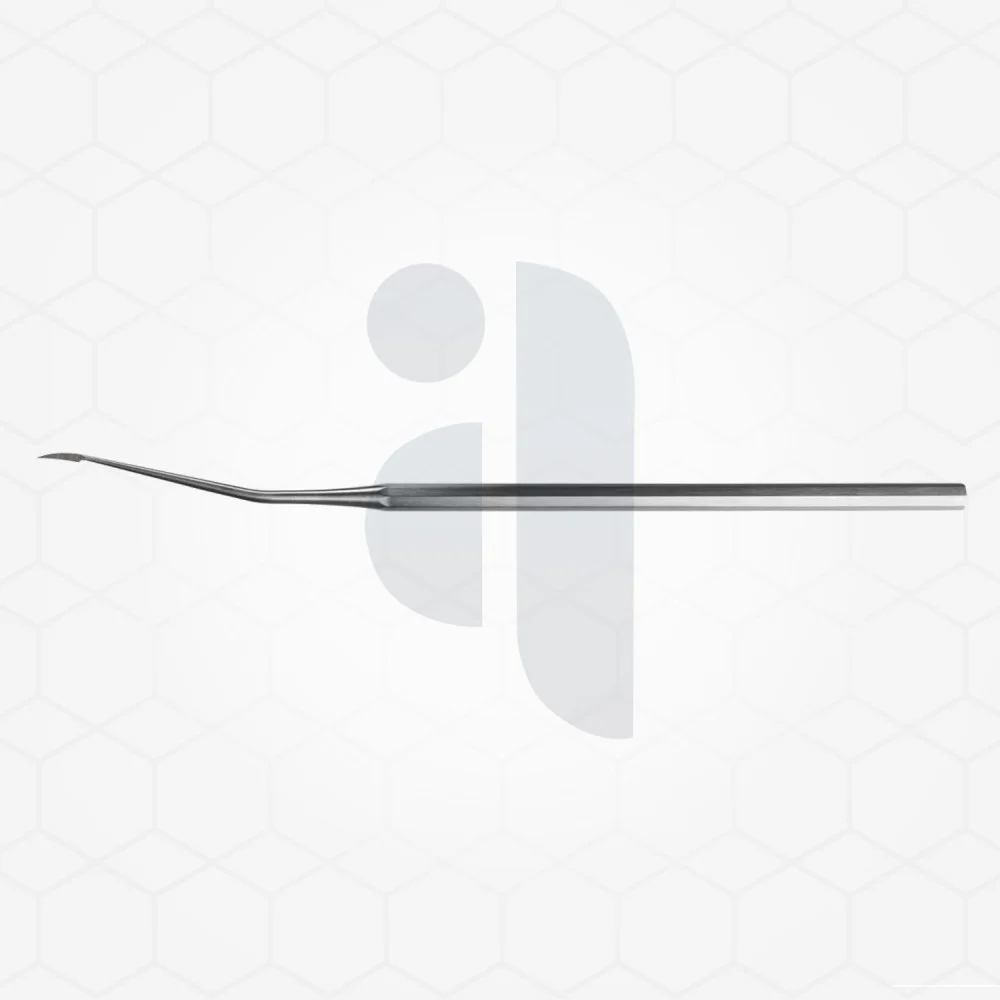
If you work in a surgical setting, you already know that the right blade shape can decide how cleanly an incision heals. You may be asking not just "what tool do I need?" but "which instrument gives me the control this procedure demands?" This guide walks through what a sickle knife is, where it came from, how it's built, and how surgeons rely on it every day.
What Is a Sickle Knife
A sickle knife is a small, curved surgical blade named for its crescent shape, which resembles the farming tool of the same name. Surgeons use it to make precise, controlled cuts in tight spaces where a straight blade would be awkward or unsafe. The curve lets you reach around tissue, incise membranes, and open narrow passages with a single, deliberate stroke. In practice, that means fewer repeated passes, cleaner edges, and better visibility during delicate work.
History and Evolution of the Sickle Knife
Curved cutting tools have served people for thousands of years, and surgery borrowed the shape for good reason. Early surgical blades were forged from carbon steel and reshaped by hand, which meant edges dulled quickly and consistency varied from one instrument to the next. Over time, manufacturers moved to stainless steel, refined the grind of the curve, and standardized handle designs for a steadier grip. Today's sickle knife reflects that long process of refinement, combining a sharp crescent edge with materials chosen for durability and repeated sterilization.
Key Features of a Sickle Knife
When you evaluate a sickle knife, a few concrete details matter more than the name on the box. The blade should hold a fine, curved cutting edge that stays sharp through multiple uses. The handle needs a balanced weight and a textured or ergonomic grip so your hand does not slip during precise motions. The material, usually surgical-grade stainless steel, must resist corrosion and withstand autoclave sterilization without warping. A well-made sickle knife brings these features together so the instrument feels predictable in your hand.
Medical and Surgical Uses of the Sickle Knife
The curved edge makes this blade useful across several specialties, particularly where access is limited. In ear, nose, and throat surgery, the sickle knife helps incise thin membranes and open narrow anatomical structures. In ophthalmic and microsurgical work, its fine tip allows controlled cuts near sensitive tissue. Dental and oral surgeons also reach for it when a straight blade cannot follow the contour of the site. Across these uses, the goal stays the same: a clean, deliberate incision with minimal trauma to surrounding tissue.
Why Choose Azeemed Instruments for Your Sickle Knife Needs
Choosing a supplier is not only about price; it is about consistency you can trust across every order. At Azeemed Instruments, we focus on surgical tools built to meet the daily demands of professionals, from material quality to edge retention and reliable sterilization performance. When you source a sickle knife from us, you receive an instrument crafted to hold its edge, resist corrosion, and perform predictably in the operating room. We work to ensure each tool meets the standards your procedures require, so you can concentrate on the patient rather than the equipment.